Locked internal Conflict
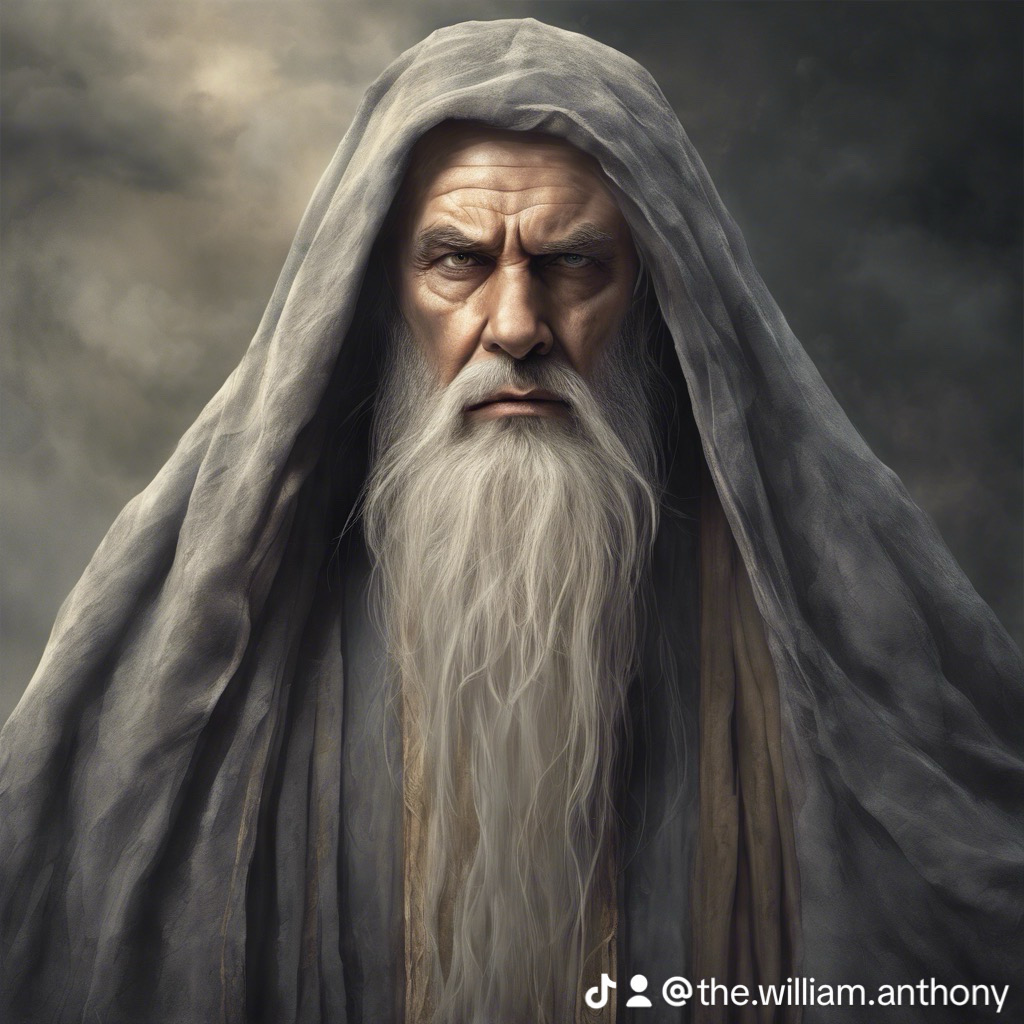


A moment reminiscent of David's pause before Saul in the cave, when he chose mercy over victory (1 Samuel 24:1-22). What led Yesterday and Today to choose vulnerability over conquest?

A sentiment reminiscent of the unexpected friendship between Jonathan and David, former foes turned sworn brothers (1 Samuel 18:3). What stirs within Yesterday and Today, to consider abandoning enmity for alliance?

A powerful echo of the prophet Isaiah's words, "Strengthen the weak hands, and make firm the feeble knees" (Isaiah 35:3). How do Yesterday and Today plan to wield their newfound inner strength?

A poignant reminder of Abraham's words to Lot, "Let there be no strife between you and me" (Genesis 13:8). What covenant or promise do Yesterday and Today make to each other in this sacred moment?

A beautiful testament to the power of reconciliation, echoing the biblical ideal of iron sharpening iron (Proverbs 27:17). How do Yesterday and Today face their first joint challenges together, as a united Warrior wise from experience and tempered from the battle.

a deep bond forged in adversity. How do Yesterday and Today's lives unfold from this moment of profound understanding?
"From Battle Scars to Inner Peace"
2 Corinthians 5:17-18, "Therefore, if anyone is in Christ, the new creation has come: The old has gone, the two are reconciled! All this is from God, who reconciled us to himself through Christ."
Today's parable shows us that even in fierce battles, beauty can emerge. Two warriors, once sworn enemies, found profound understanding and respect for each other and themselves.
Likewise, our inner battles – trauma, pain, and strife – can give way to inner peace. How? Through reconciliation with ourselves, others, and God.
This story resonates deeply with our own lives. We all bear battle scars – emotional, spiritual, or physical wounds inflicted by life's challenges. But God offers us a profound promise: reconciliation and inner peace.
Like Yesterday and Today, we must confront our past wounds, acknowledging the scars they left. Then, we can begin to heal, forgiving ourselves and others, just as God forgives us.
In Christ, we become new creations – the old gives way to the new. Our battle scars transform into symbols of resilience and strength.
Let us embrace this reconciliation, finding inner peace and beauty amidst life's fierce battles.
What inner battle scars are you carrying, and how can you begin to reconcile with yourself, others, and God today?

The Weight of Battle Scars:
We carry these scars like heavy burdens, often hidden from view. They manifest as:
Emotional pain from past traumas or relationships
Spiritual struggles with faith or purpose
Physical reminders of illness or injury
These scars can define us, dictating our actions and emotions. But God desires to redefine us, to transform those scars into symbols of strength and resilience.

The Power of Reconciliation:
Reconciliation is the process of making peace – with ourselves, others, and God. It involves:
Acknowledging our scars and their impact
Forgiving ourselves and others, just as God forgives us
Embracing God's healing grace and redemption
In Christ, we become new creations – the old gives way to the new. Our battle scars transform into testaments of God's power and love.

Paul's Thorn: A Brief Overview
Context: 2 Corinthians 12:7-10, Paul's second letter to the Corinthians
The Thorn: A mysterious "thorn in the flesh" given to Paul by a messenger of Satan
Purpose: To torment Paul and keep him from becoming too proud due to his abundant revelations from God
Description: Not specified, but interpreted as various physical or spiritual afflictions, such as:
Malaria or eye trouble
Spiritual harassment or temptation
Persecution or criticism from others
Paul's Response: He pleaded with God three times to remove the thorn, but God said, "My grace is sufficient for you, for my power is made perfect in weakness" (2 Corinthians 12:9)
Spiritual Significance: Paul's thorn represents God's sovereignty and grace in our weaknesses, teaching us to rely on His power rather than our own strength.
Conclusion and Reflection:
Dear brothers and sisters,
Our inner battle scars can give way to inner peace through reconciliation with ourselves, others, and God. Let us embrace this promise, finding beauty amidst life's fierce battles.
Reflection Questions:
What inner battle scars are you carrying, and how have they impacted your life?
How can you begin to reconcile with yourself, others, and God today?
What symbol of strength or resilience can emerge from your battle scars, testifying to God's power and love?

Comments